Introduction
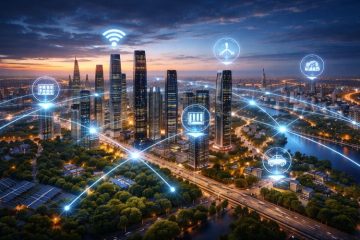
Los Angeles is taking a bold step into the future with the unveiling of the Smart City LA 2028 map. As the city prepares to host the 2028 Summer Olympics, officials are focusing on transforming urban life through technology, sustainability, and smart infrastructure.
The Smart City initiative aims to redefine how residents and visitors experience transportation, safety, and connectivity. With innovation at its core, Los Angeles is positioning itself as a global leader in smart urban development.
What Is the Smart City LA 2028 Map?
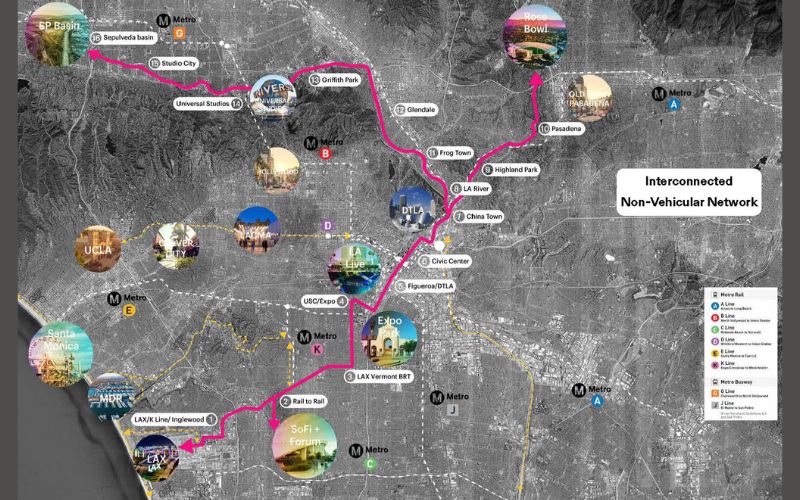
The Smart City LA 2028 map is a strategic blueprint that outlines how the city plans to integrate advanced technologies into everyday urban systems.
Key areas covered include:
- Smart transportation networks
- Digital infrastructure and connectivity
- Energy-efficient systems
- Public safety enhancements
- Sustainable urban planning
This initiative aligns closely with preparations for the 2028 Summer Olympics, ensuring the city is ready for a global audience.
Key Highlights
- Smart City roadmap unveiled for Los Angeles 2028
- Focus on sustainability and clean energy
- Advanced public transport systems planned
- Integration of AI and IoT technologies
- Olympic-driven infrastructure upgrades
Smart Features in the LA 2028 Plan
1. Intelligent Transportation Systems
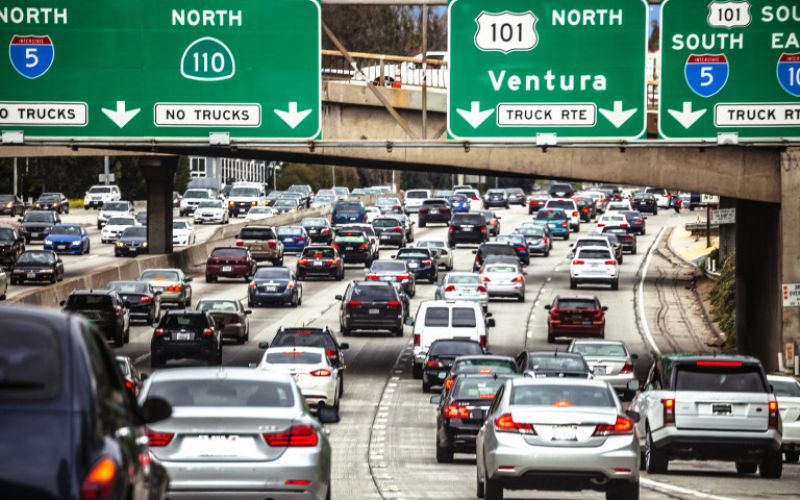
Los Angeles aims to reduce traffic congestion using smart traffic signals, real-time data, and AI-based route optimization.
Expect:
- Faster commute times
- Reduced emissions
- Improved public transit efficiency
2. Green Energy and Sustainability
The city is investing heavily in renewable energy sources and eco-friendly infrastructure.
Initiatives include:
- Solar-powered buildings
- Electric vehicle charging networks
- Carbon reduction programs
3. Digital Connectivity
High-speed internet and 5G networks will play a major role in connecting the city.
This ensures:
- Seamless communication
- Smart services accessibility
- Better emergency response systems
4. Public Safety Enhancements
Smart surveillance systems and AI-driven monitoring will improve safety across the city.
Authorities aim to:
- Reduce crime rates
- Improve disaster response
- Enhance crowd management during events

Comparison: Traditional City vs Smart City LA 2028
| Feature | Traditional City | Smart City LA 2028 |
| Traffic Management | Manual signals | AI-based systems |
| Energy Use | High consumption | Renewable energy |
| Connectivity | Limited | High-speed 5G |
| Public Safety | Reactive | Proactive AI monitoring |
Pros and Cons
Pros
- Improved quality of life
- Better traffic and mobility
- Eco-friendly infrastructure
- Enhanced safety and connectivity
Cons
- High implementation cost
- Privacy concerns with surveillance
- Dependence on technology
- Infrastructure transition challenges
Impact on Residents and Visitors
For residents of Los Angeles, the Smart City initiative promises convenience and efficiency in daily life.
For visitors attending the 2028 Summer Olympics, it ensures:
- Seamless travel
- Better event management
- Enhanced overall experience
This transformation is not just about technology—it’s about improving urban living.
What This Means for the Future
The Smart City LA 2028 project could serve as a model for cities worldwide.
If successful, it may inspire:
- Global smart city adoption
- Increased investment in urban tech
- Sustainable development practices
Los Angeles is setting a benchmark for the cities of tomorrow.
Final Verdict
The Smart City LA 2028 map represents a forward-thinking vision that blends technology with sustainability.
As Los Angeles prepares for the global stage, this initiative showcases how cities can evolve to meet future demands.
While challenges remain, the potential benefits make this one of the most ambitious urban transformation projects in recent history.
FAQs (Voice Search Friendly)
1. What is the Smart City LA 2028 map?
It is a plan outlining how Los Angeles will use technology and infrastructure to become a smart city before the 2028 Olympics.
2. Why is Los Angeles developing a smart city?
To improve transportation, sustainability, and urban living while preparing for the Olympics.
3. What technologies are used in Smart City LA 2028?
AI, IoT, 5G connectivity, and renewable energy systems.
4. How will this impact daily life?
It will make commuting easier, improve safety, and provide better digital services.
5. Is Smart City LA 2028 sustainable?
Yes, it focuses heavily on renewable energy and reducing environmental impact.