Introduction
The future of urban living is taking shape in the deserts of Arizona. Backed by Bill Gates, the concept of a futuristic smart city is gaining global attention.
Known as Belmont, this ambitious project aims to redefine how cities are built and operated. With a focus on technology, sustainability, and innovation, it reflects a broader shift toward smarter, more connected urban environments.
As the world moves toward digital transformation, this project could become a model for future cities.
What Is the Belmont Smart City Project?
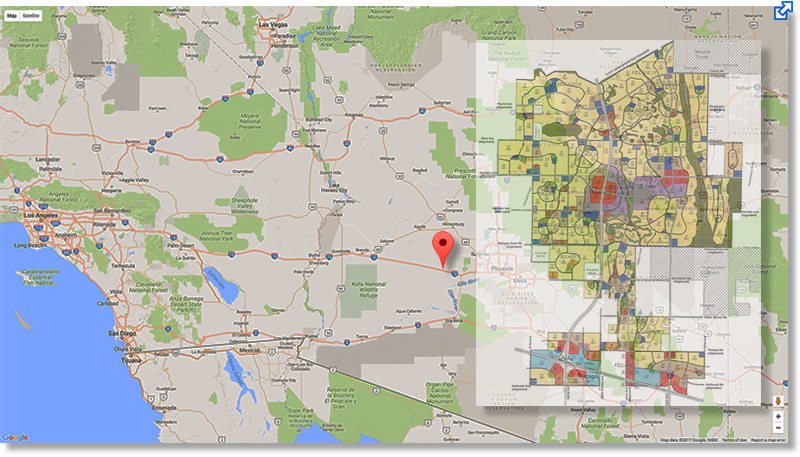
The Belmont project is a planned smart city development located in Arizona, supported by an investment firm linked to Bill Gates.
The vision includes:
- A tech-driven urban infrastructure
- High-speed digital connectivity
- Smart transportation systems
- Sustainable energy solutions
The project aims to create a city from the ground up using modern technology rather than upgrading existing infrastructure.
Key Highlights
- Smart city project backed by Bill Gates
- Planned development called Belmont
- Focus on sustainability and technology
- Located in Arizona, USA
- Designed for future urban living
Core Features of the Smart City
1. Advanced Infrastructure
Belmont is designed to integrate digital systems into every part of city life.
This includes:
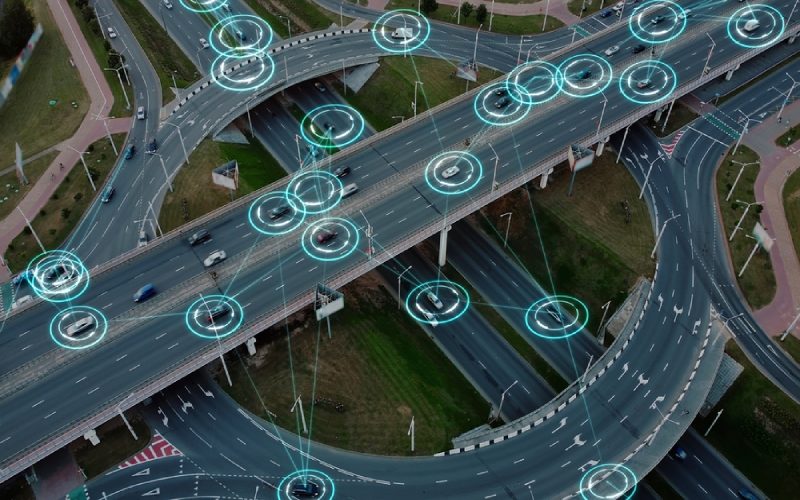
- Smart roads and traffic systems
- Data-driven urban planning
- Automated public services
2. High-Speed Connectivity
Connectivity is at the heart of any smart city. Belmont plans to implement:
- Ultra-fast internet networks
- IoT-enabled systems
- Seamless communication platforms
This ensures real-time data sharing across the city.
3. Sustainable Urban Design
Sustainability is a major focus.
The city aims to include:
- Renewable energy sources
- Efficient water management
- Green building practices
This aligns with global environmental goals and reduces carbon footprint.
4. Smart Mobility Solutions
Transportation will be optimized using advanced technology.
Expected features:
- Autonomous vehicles
- Smart public transit
- Reduced traffic congestion
The goal is to make commuting faster and more efficient.
Comparison: Traditional City vs Belmont Smart City
| Feature | Traditional City | Belmont Smart City |
| Infrastructure | Conventional | Tech-integrated |
| Transport | Manual systems | Smart & autonomous |
| Energy | Fossil fuels | Renewable sources |
| Connectivity | Basic | High-speed digital |
| Planning | Reactive | Data-driven |
Pros and Cons
Pros
- Future-ready infrastructure
- Sustainable development
- Efficient urban management
- Technological innovation
Cons
- High development cost
- Uncertain timeline
- Privacy concerns
- Dependence on advanced tech
Challenges Facing the Project
Despite the excitement, the Belmont project faces several challenges:
- Development delays
- Economic feasibility
- Regulatory approvals
- Adoption of new technologies
Large-scale smart city projects often take years to fully materialize.
What This Means for the Future
Projects like Belmont signal a shift in how cities will be designed in the future.
With backing from innovators like Bill Gates, smart cities could:
- Improve quality of life
- Boost economic growth
- Lead global innovation
If successful, Belmont may inspire similar developments worldwide.
Final Verdict
The Belmont smart city project in Arizona represents a bold vision for the future of urban living.
While still in development, its focus on technology, sustainability, and efficiency makes it a significant step toward next-generation cities.
Backed by Bill Gates, this initiative could redefine how cities are built in the 21st century.
FAQs (Voice Search Friendly)
1. What is Bill Gates’ smart city in Arizona?
It is a planned smart city project called Belmont, focusing on technology and sustainability.
2. Where is Belmont located?
Belmont is planned in the state of Arizona, USA.
3. Is the Belmont smart city completed?
No, the project is still under development and planning stages.
4. What makes Belmont a smart city?
It uses advanced technology, renewable energy, and smart infrastructure.
5. Why is this project important?
It represents the future of urban development and smart living.