DecoratorAdvice.com: A Practical Home Decor Guide for Beginners and Homeowners
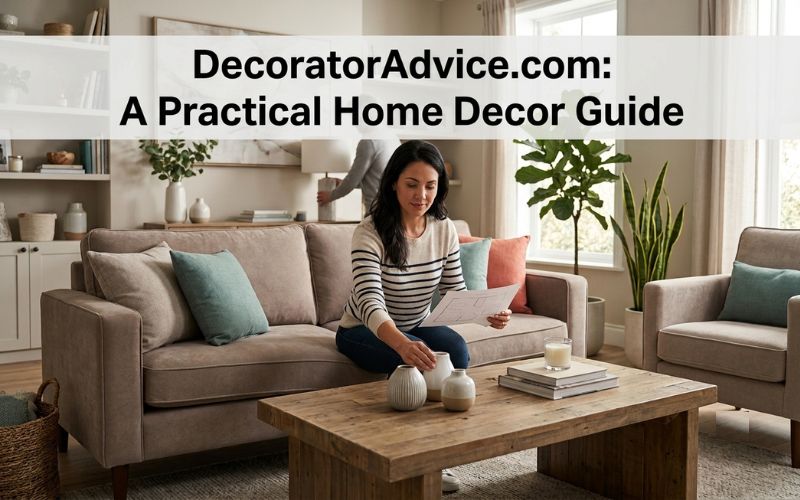
Decorating a home does not always require a large budget or professional interior designer. With the right ideas, homeowners can improve the appearance, comfort, and functionality of their spaces through thoughtful furniture choices, suitable colors, better organization, and simple DIY projects.
DecoratorAdvice.com is presented as a resource for people interested in home decorating, interior design inspiration, DIY projects, space-saving solutions, and practical ideas for improving different areas of a home. The original page highlights topics ranging from furniture arrangement and lighting to design trends and budget-conscious decorating.
Whether you are decorating your first home or refreshing an existing room, a structured approach can make the process easier.
Also Read : Workplace Management EWMagWork: A Practical Guide to Better Workplaces
What Is DecoratorAdvice.com?
DecoratorAdvice.com is described as a home-decorating resource focused on making interior design ideas more accessible to homeowners and decorating enthusiasts.
The type of information associated with the platform includes:
- Home decorating ideas
- Furniture arrangement
- Color selection
- Lighting
- DIY projects
- Space-saving solutions
- Home organization
- Design inspiration
- Decorating trends
- Product and style considerations
The goal is to help readers turn general inspiration into practical improvements they can apply to their own homes.
Why Home Decor Advice Is Useful
Decorating a home involves more than choosing attractive furniture or painting a wall.
A successful room needs to balance appearance, comfort, functionality, available space, and personal style.
For example, a small living room may look crowded if it contains oversized furniture. A poorly positioned light can make an otherwise attractive room feel uncomfortable. Similarly, too many decorative items can make a space appear cluttered.
Good decorating advice helps homeowners consider these factors before making changes.
Home Decor Ideas for Beginners
Starting a decorating project can feel overwhelming when there are too many styles and possibilities.
Beginners can simplify the process by starting with the basics.
Choose a Decorating Style
First, think about the atmosphere you want to create.
Popular approaches include:
- Modern
- Minimalist
- Traditional
- Contemporary
- Rustic
- Scandinavian
- Industrial
- Eclectic
You do not need to follow one style perfectly. Combining elements from different styles can create a more personal interior.
Create a Simple Color Palette
Color has a major influence on how a room feels.
Instead of selecting many unrelated colors, choose a small palette that works together. A neutral base can be combined with one or two accent colors through cushions, artwork, curtains, rugs, or decorative accessories.
This approach also makes future updates easier.
Consider Furniture Proportions
Furniture should match the size of the room.
Large furniture can overwhelm a small space, while very small pieces may look disconnected in a large room.
Before buying anything, measure the available area and consider walking space around each item.
Furniture Arrangement Matters
Furniture placement can change how a room functions.
Start by identifying the main purpose of the space. A living room may need to support conversation, television viewing, reading, or several activities at once.
Avoid placing every piece of furniture against a wall simply because it seems like the easiest option.
Instead, experiment with different arrangements and maintain comfortable pathways through the room.
For smaller homes, multifunctional furniture can be especially useful.
Examples include:
- Storage ottomans
- Foldable tables
- Sofa beds
- Storage benches
- Wall-mounted desks
- Shelving units
Make Small Spaces Feel Larger
Small rooms can still be attractive and comfortable.
The original DecoratorAdvice.com article highlights space-saving ideas such as smart furniture, vertical storage, and organization techniques.
Use Vertical Space
Walls provide valuable storage opportunities.
Floating shelves, tall bookcases, wall-mounted cabinets, and hooks can keep everyday items organized without taking up much floor space.
Avoid Excessive Clutter
A small room can quickly feel crowded when too many decorative objects are displayed.
Keep items that are useful or meaningful and store less frequently used belongings elsewhere.
Choose Flexible Furniture
Furniture that performs more than one function can help maximize limited space.
For example, a storage bench can provide both seating and hidden storage.
Lighting Can Transform a Room
Lighting is one of the easiest ways to change the atmosphere of an interior.
A good lighting plan usually combines several types of lighting.
Ambient Lighting
This provides general illumination throughout the room.
Task Lighting
Task lighting is useful for activities such as reading, cooking, studying, or working.
Accent Lighting
Accent lights can highlight artwork, architectural features, shelves, or decorative objects.
Natural light should also be considered. Where possible, avoid unnecessarily blocking windows with heavy furniture or window treatments.
Budget-Friendly Home Decorating
A stylish home does not necessarily require expensive furniture.
Budget-conscious decorating can focus on changes that create a visible difference without replacing everything.
Consider:
- Rearranging existing furniture
- Repainting walls
- Updating cabinet hardware
- Adding cushions or throws
- Using artwork
- Improving lighting
- Adding plants
- Decluttering
- Updating curtains
- Creating DIY decorations
Small changes can sometimes have a surprisingly large visual impact.
DIY Home Decor Projects
DIY projects can make a home feel more personal while potentially reducing costs.
The original page describes DIY guides involving projects such as custom decorations and furniture-related work.
Before starting a DIY project, consider the required tools, materials, skill level, and safety requirements.
Simple projects for beginners might include:
- Painting a feature wall
- Creating simple wall art
- Refinishing suitable furniture
- Installing decorative shelving
- Making fabric accessories
- Creating basic storage solutions
For electrical, structural, plumbing, or other specialist work, professional assistance may be appropriate.
Keep Up With Design Trends Without Following Them Completely
Interior design trends can provide inspiration, but homeowners do not need to redesign their homes every time a new trend becomes popular.
Instead, use trends selectively.
For example, if a particular color is popular, you could introduce it through removable accessories rather than replacing expensive furniture.
This approach allows your home to feel current while maintaining a timeless foundation.
Use Home Decor Inspiration Carefully
Design galleries and photographs can provide useful inspiration because they allow homeowners to see how colors, furniture, lighting, and accessories work together.
However, an image that looks attractive online may not work in every home.
Consider your own:
- Room dimensions
- Natural lighting
- Budget
- Lifestyle
- Storage needs
- Existing furniture
- Maintenance requirements
The best design is one that works for the people who live in the space.
Choosing Home Decor Products
Homeowners often need to choose between different furniture, flooring, lighting, paint, and decorative products.
Instead of selecting an item based only on appearance, consider several factors.
Size
Check measurements before purchasing furniture or large decorative pieces.
Material
Different materials have different durability and maintenance requirements.
Function
Ask whether the product actually solves a need in the room.
Style
Make sure it works with the existing interior rather than creating an unrelated focal point.
Budget
Set a spending limit before shopping to avoid unnecessary purchases.
Organizing Your Home
Home organization is an important part of good interior design.
Even an attractive room can feel uncomfortable if everyday items do not have designated storage.
A simple organizational system can include:
- Baskets
- Shelving
- Drawer organizers
- Storage boxes
- Wall hooks
- Closed cabinets
- Under-bed storage
The best storage system is one that makes frequently used items easy to access.
Decorating Different Rooms
Each room has different requirements.
Living Room
Focus on comfortable seating, appropriate lighting, practical storage, and a clear focal point.
Bedroom
Prioritize comfort, calming colors, suitable lighting, and enough storage.
Kitchen
Combine practical organization with durable materials and efficient lighting.
Bathroom
Choose moisture-resistant materials and keep surfaces easy to clean.
Home Office
Create a comfortable workstation with good lighting, suitable seating, and organized storage.
Common Home Decorating Mistakes
Avoiding common mistakes can save money and prevent frustration.
Buying Furniture Before Measuring
Always measure the room and available pathways before purchasing large furniture.
Using Too Many Colors
A limited color palette usually creates a more coordinated appearance.
Ignoring Lighting
Even excellent furniture can look disappointing under poor lighting.
Overdecorating
Adding more accessories does not always improve a room. Negative space can make important pieces stand out.
Copying a Trend Completely
Trends can become outdated. Use them as inspiration rather than allowing them to dictate the entire interior.
A Simple Home Decorating Process
A structured process makes decorating easier.
Step 1: Identify the Problem
Decide what you want to improve.
Is the room too dark, cluttered, empty, outdated, or difficult to use?
Step 2: Set a Budget
Determine how much you can comfortably spend.
Step 3: Measure the Space
Record room dimensions, door positions, windows, and important fixed features.
Step 4: Choose a Style and Color Direction
Select a general design approach and a manageable color palette.
Step 5: Prioritize Important Changes
Start with improvements that have the biggest practical or visual impact.
Step 6: Add Decorative Details
Once the functional elements are in place, introduce artwork, plants, textiles, and accessories.
Step 7: Review the Finished Space
Live with the arrangement for a while and make adjustments if something does not work.
Frequently Asked Questions
What is DecoratorAdvice.com?
DecoratorAdvice.com is presented as a home-decorating resource covering topics such as interior design ideas, DIY projects, organization, space-saving solutions, and decorating inspiration.
Is DecoratorAdvice.com useful for beginners?
The original article presents the resource as suitable for different experience levels, including people starting their first decorating projects.
Can I decorate my home on a small budget?
Yes. Rearranging furniture, decluttering, repainting, improving lighting, and adding affordable accessories can refresh a room without requiring a complete renovation.
How can I make a small room look better?
Use appropriately sized furniture, maintain clear walking areas, use vertical storage, reduce clutter, and make good use of natural and artificial lighting.
What should I consider before buying home decor?
Consider the item’s size, material, function, style, maintenance requirements, and price before purchasing.
Are DIY decorating projects suitable for beginners?
Many simple projects are suitable for beginners, but projects involving electrical systems, structural changes, plumbing, or other specialist work may require professional help.
Final Thoughts
DecoratorAdvice.com can be viewed as a source of ideas for homeowners who want to improve their interiors through better organization, thoughtful design choices, DIY projects, and practical decorating techniques.
The most effective approach is not necessarily to spend more money. Start by understanding what your home needs, measure the available space, establish a realistic budget, and choose improvements that make the room more comfortable and functional.
Whether you are decorating a small apartment, refreshing one room, or planning a larger home improvement project, combining good design with practical decision-making can help create a space that feels both attractive and genuinely useful.
