Upgrading Tips Decoradhouse: 15 Practical Ways to Improve Your Home
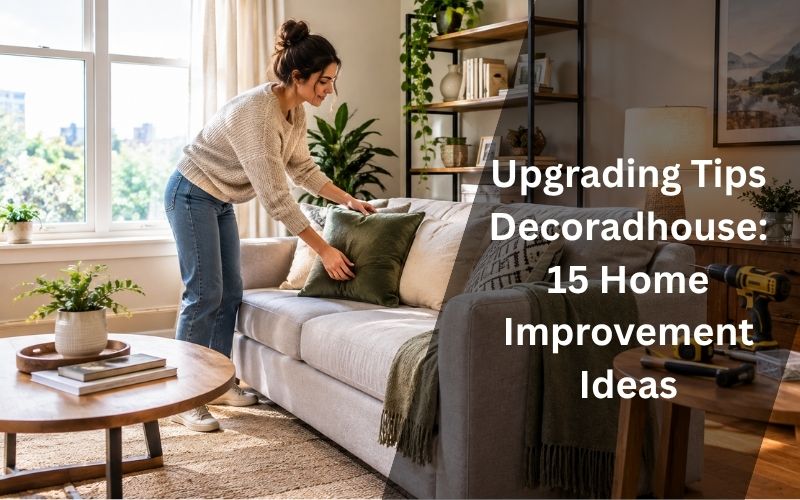
Improving your home does not always require expensive renovations or professional designers. Small, thoughtful changes can make rooms more comfortable, attractive, organized, and functional. Better lighting, practical storage, fresh paint, and improved furniture arrangements can transform a space without requiring a complete makeover.
Upgrading tips Decoradhouse focuses on practical home improvements that homeowners and renters can adapt to their needs and budgets. The best approach is to identify what is not working, prioritize essential repairs, and make changes that improve everyday living. (Source: HomeFocuse).
1. Start With a Clear Home Improvement Plan
Before buying new furniture or decorative accessories, identify the areas that need attention.
Walk through your home and consider whether each room has enough lighting, storage, comfortable furniture, and usable space. Make a list of improvements and rank them by importance.
For example, repairing a leaking tap should take priority over purchasing decorative kitchen accessories. Similarly, reorganizing a crowded living room may be more useful than buying another piece of furniture.
A simple plan helps you avoid unnecessary spending and keeps your project manageable.
2. Improve Your Home’s Lighting
Lighting can influence the appearance and functionality of every room. A dark room may feel smaller, while a well-lit space often feels more inviting.
Consider combining three types of lighting:
- Ambient lighting: Provides general illumination throughout the room.
- Task lighting: Supports activities such as cooking, reading, and working.
- Accent lighting: Highlights artwork, shelves, architectural features, or decorative objects.
Use energy-efficient LED bulbs where appropriate. Table lamps, floor lamps, and under-cabinet lighting can also improve specific areas without requiring a complete lighting redesign.
3. Refresh Walls With the Right Paint Colors
Fresh paint is one way to update a room without replacing furniture.
Neutral shades such as warm white, beige, and soft gray can create a flexible background for different decorating styles. If you prefer stronger colors, introduce them through an accent wall or smaller decorative elements.
Before painting, test samples under different lighting conditions. A color that looks attractive in a store may appear different in your home.
Prepare the surface properly and use paint suitable for the room’s conditions, particularly in kitchens and bathrooms.
4. Choose Furniture That Fits Your Space
Furniture should suit the dimensions and purpose of a room.
Oversized sofas, large tables, and bulky cabinets can make smaller rooms difficult to navigate. Measure the available space before purchasing new pieces, including the pathways needed to move comfortably around the room.
For compact homes, multifunctional furniture can provide additional value. Storage ottomans, sofa beds, nesting tables, and foldable desks help combine comfort with practicality.
Keep enough open space to make rooms feel organized rather than overcrowded.
5. Add Smart Storage Solutions
Clutter can make even a beautifully decorated home feel uncomfortable.
Practical storage helps keep everyday belongings organized and easy to find. Consider floating shelves, storage baskets, drawer organizers, wall hooks, and cabinets that use otherwise wasted space.
Vertical storage is particularly helpful in apartments and smaller houses because it makes better use of wall space.
Before purchasing storage products, remove items you no longer need. Organizing existing belongings first may reduce the amount of additional storage required.
6. Upgrade Kitchen Cabinets and Hardware
A kitchen can look outdated even when its cabinets remain functional.
Replacing worn cabinet handles, updating suitable hinges, repainting cabinet doors, or improving under-cabinet lighting can refresh the space without a complete kitchen renovation.
Choose finishes that complement your appliances, countertops, and other fixtures.
If cabinet doors are damaged or the underlying structure is deteriorating, assess whether repairs or replacement are more appropriate before investing in cosmetic changes.
7. Make Your Bedroom More Comfortable
The bedroom should support relaxation and practical daily routines.
Start with a comfortable mattress, suitable bedding, and lighting that matches your needs. Soft colors, coordinated curtains, and a few carefully chosen accessories can help create a calm atmosphere.
Reduce unnecessary items on bedside tables and maintain enough storage for clothing and personal belongings.
Blackout curtains may also be useful for people who prefer a darker sleeping environment, particularly in rooms exposed to streetlights or early morning sunlight.
8. Improve Your Bathroom
Bathroom upgrades can range from simple cosmetic changes to more substantial improvements.
Affordable options include replacing worn accessories, updating a mirror, improving storage, and installing suitable lighting.
Check seals around showers, bathtubs, and sinks regularly. Damaged caulk or visible leaks should be addressed promptly to help prevent water damage.
Choose materials designed for humid environments and ensure adequate ventilation to manage moisture.
9. Create a More Functional Living Room
A living room should reflect how your household actually uses the space.
Arrange seating to support conversation, entertainment, or relaxation. Avoid blocking doorways and maintain clear pathways between furniture.
A rug can help define a seating area, while cushions, throws, artwork, and plants can introduce color and texture.
You do not need to purchase everything at once. Rearranging existing furniture may reveal a better layout before you spend money on additional pieces.
10. Make Your Home More Energy-Efficient
Energy-efficient improvements can support household comfort while helping manage utility costs.
Consider practical changes such as:
- Replacing inefficient bulbs with LED lighting.
- Sealing appropriate gaps around doors and windows.
- Using curtains or blinds to manage heat and sunlight.
- Maintaining heating and cooling equipment.
- Choosing energy-efficient appliances when replacements are needed.
- Turning off equipment when it is not in use.
The potential savings depend on your climate, existing equipment, energy prices, and household habits. Start with improvements that address the biggest sources of waste in your home.
11. Introduce Smart Home Technology
Smart home devices can improve convenience and help automate everyday tasks.
Depending on your needs, options may include smart bulbs, programmable thermostats, video doorbells, smart plugs, and home security sensors.
Before purchasing a device, check whether it is compatible with your existing equipment and home network. Review privacy settings and use strong, unique passwords for connected accounts.
Start with one practical improvement rather than installing multiple devices that duplicate the same functions.
12. Refresh Your Home With Textiles and Accessories
Textiles can change a room’s appearance without major construction.
Curtains, rugs, cushions, throws, and bedding introduce texture and color. Coordinating a few elements can create a more unified look.
For a simple approach, use a neutral base and add one or two accent colors. This makes it easier to update the room later without replacing expensive furniture.
Avoid overcrowding surfaces with accessories. A few meaningful items often create a more balanced result than filling every available space.
13. Improve Your Outdoor Space
Outdoor areas can become useful extensions of your home.
A balcony, patio, or garden may benefit from comfortable seating, suitable lighting, containers for plants, and better storage.
Choose outdoor furniture and materials designed for your local weather conditions. Make sure pathways remain clear and that drainage works properly.
Even a small balcony can feel more welcoming with a compact table, a comfortable chair, and a few suitable plants.
14. Consider Simple DIY Projects
DIY improvements can help personalize your home and reduce some labor costs.
Beginner-friendly projects may include painting a wall, assembling shelving, replacing cabinet handles, organizing a closet, or creating simple wall art.
Before starting, confirm that you have the correct tools, materials, and instructions. Follow manufacturer guidance and appropriate safety precautions.
Electrical wiring, structural modifications, gas work, and complex plumbing should be handled by qualified professionals when required.
15. Maintain Your Home Regularly
Home improvement is not limited to making visible changes. Regular maintenance helps keep a property functional and can prevent small issues from becoming more expensive problems.
Create a basic maintenance schedule that includes:
- Checking for leaks and signs of moisture.
- Cleaning ventilation filters as recommended.
- Inspecting doors, windows, and seals.
- Testing smoke and carbon monoxide alarms where applicable.
- Checking outdoor drainage.
- Addressing damaged surfaces and loose fittings.
- Reviewing appliances and equipment according to manufacturer instructions.
Consistent maintenance can also help you plan future upgrades more effectively.
How to Plan Home Improvements on a Budget
A clear budget helps you prioritize important work and avoid unnecessary purchases.
| Priority | Improvement | Main benefit |
| High | Essential repairs and leaks | Protects the home |
| High | Faulty lighting or unsafe fittings | Improves safety and usability |
| Medium | Storage and furniture layout | Improves organization |
| Medium | Paint and cabinet hardware | Refreshes appearance |
| Optional | Decorative accessories | Personalizes the space |
| Optional | Smart devices | Adds convenience |
The right order depends on the condition of your property. Safety issues, water damage, and urgent repairs should generally come before decorative upgrades.
Common Home Improvement Mistakes to Avoid
Buying Before Measuring
Furniture and fixtures may not fit the available space. Measure carefully before purchasing.
Ignoring Essential Repairs
Cosmetic changes cannot solve underlying problems such as leaks, damaged wiring, or deteriorating surfaces.
Following Every Trend
Trendy products can be attractive, but they may not suit your lifestyle or remain appealing over time. Prioritize functionality and personal preference.
Spending the Entire Budget on One Room
Keep some money available for unexpected expenses, especially during larger projects.
Attempting Work Beyond Your Skills
DIY can be rewarding, but complex work may require professional assessment or installation.
Frequently Asked Questions
What are upgrading tips Decoradhouse?
The phrase refers to practical home improvement ideas focused on making living spaces more functional, comfortable, organized, and attractive through manageable upgrades.
How can I upgrade my home without spending much money?
Start by decluttering, rearranging furniture, improving lighting, repainting suitable surfaces, updating cabinet hardware, and organizing storage. These changes may refresh your home without a major renovation.
Which home improvements should I do first?
Prioritize safety concerns, leaks, damaged surfaces, and essential maintenance. Once these issues are addressed, consider improvements to lighting, storage, comfort, and appearance.
Are home upgrades useful for renters?
Yes. Renters can often make reversible improvements such as rearranging furniture, using freestanding storage, adding rugs, changing removable accessories, and improving lighting with suitable plug-in fixtures. Check your rental agreement before making permanent changes.
Can smart home devices reduce energy use?
Some devices, such as programmable thermostats and smart lighting controls, can help manage energy use when configured appropriately. Actual savings depend on the equipment, settings, and household behavior.
Do I need a professional for every home upgrade?
No. Many decorating and organization projects are suitable for DIY. However, structural work and tasks involving electrical systems, gas, or complex plumbing may require qualified professionals.
Final Thoughts
The most effective home upgrades begin with understanding what your home needs. Better lighting, practical storage, suitable furniture, regular maintenance, and carefully selected decorative changes can improve daily life without requiring a complete renovation.
Use these upgrading tips Decoradhouse as a starting point, then adapt each idea to your space, budget, and priorities. Focus on improvements that solve real problems, make one change at a time, and build a home that is comfortable, functional, and personal.
