
Decadgarden Yard Tips by DecoratorAdvice: Simple Ideas for a Better Outdoor Space
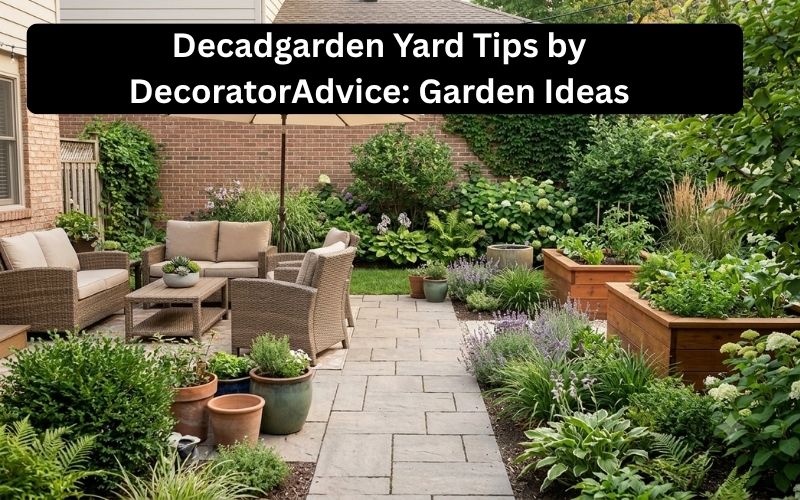
A well-designed yard can make a home feel more welcoming, comfortable, and enjoyable. You do not need a huge garden or an expensive landscaping project to create an outdoor space that looks attractive and works well.
The key is to understand how you use your yard and then make practical improvements that fit your available space, budget, and lifestyle.
These Decadgarden yard tips by DecoratorAdvice focus on simple ways to improve outdoor areas through better planning, greenery, seating, lighting, organization, and regular maintenance.
Also Read : Lava Spark 2 Pro 5G Review: Is It the Ultimate Budget 5G Phone with Built-In Vayu AI?
Start With a Simple Yard Plan
Before buying plants, furniture, or decorative items, take some time to understand your yard.
Look at how much sunlight different areas receive, where water collects after rain, and which parts of the space are used most often. Think about whether you want the yard mainly for relaxing, entertaining, gardening, children, or a combination of uses.
A simple plan can help you avoid buying items that do not suit the space.
Consider dividing the yard into practical areas such as:
- A seating or relaxation area
- A garden or planting zone
- An open space for activities
- A pathway or entrance area
- A storage or utility section
Even a small yard can feel more organized when each area has a clear purpose.
Choose Plants That Suit Your Yard
Plants can transform an ordinary yard, but choosing the right varieties is important.
Consider sunlight, soil conditions, available water, and your local climate before selecting plants. Some plants need several hours of direct sunlight, while others perform better in partial shade.
If you have limited time for gardening, choose low-maintenance plants that do not require constant trimming or watering.
A combination of different heights can also make a garden more visually interesting. Ground-cover plants, medium-sized shrubs, and taller plants can create depth without making the space feel crowded.
Keep the Yard Green Without Overcrowding It
More plants do not always mean a better-looking yard.
Overcrowding can make pathways difficult to use and may prevent plants from receiving enough sunlight and airflow. Leave appropriate space between plants and consider how large they will become when mature.
A balanced arrangement usually looks cleaner and is easier to maintain.
For smaller yards, vertical gardening can also be useful. Trellises, wall planters, and raised containers can add greenery while using less ground space.
Create a Comfortable Outdoor Seating Area
A comfortable seating area can turn a yard into an extension of the home.
Depending on your space, you could use a small outdoor table, chairs, a bench, or a compact lounge arrangement.
Choose furniture that suits the size of the yard. Large furniture can make a small outdoor area feel cramped, while very small pieces may not provide enough comfort for larger spaces.
For additional comfort, consider cushions, outdoor rugs, umbrellas, or shade structures designed for outdoor use.
Improve Your Yard With Outdoor Lighting
Outdoor lighting can make a yard more useful after sunset while improving visibility around pathways and entrances.
Instead of illuminating every part of the yard, focus on areas that benefit most from lighting.
Useful locations include:
- Walkways
- Steps
- Entrances
- Seating areas
- Garden features
- Outdoor dining spaces
Solar-powered lights can be convenient in suitable locations because they do not require a wired electrical connection. For permanent installations, choose outdoor-rated fixtures and have electrical work completed safely.
Keep Pathways Clear and Practical
A good pathway makes a yard easier to navigate and can also improve its overall appearance.
Paths can connect the entrance, seating area, garden, and other important parts of the outdoor space.
Choose a pathway material that works with your home’s style and local conditions. Depending on the design, options can include stone, brick, gravel, pavers, or concrete.
Keep pathways clear of overgrown plants and regularly remove leaves, dirt, and other debris.
Add Decorative Features Carefully
Small decorative details can give a yard more personality.
You might add planters, garden ornaments, containers, decorative stones, or a simple water feature. However, avoid adding too many unrelated elements.
A consistent design usually looks more attractive than a yard filled with decorations competing for attention.
Choose a few features that complement your home’s exterior and existing landscaping.
Make Small Yards Feel Bigger
Limited space does not mean you cannot create an attractive outdoor area.
Use furniture with a smaller footprint and avoid blocking important sightlines. Light-colored surfaces and carefully positioned mirrors or reflective elements can sometimes make a compact space feel more open.
Vertical planting is another useful option because it adds greenery without taking up much floor space.
Keeping the design simple is often the most effective approach for a small yard.
Use Containers for Flexible Gardening
Container gardening is useful for homeowners who want flexibility.
Pots and planters can be moved when needed, allowing you to change the appearance of the yard throughout the year. They are also useful when the existing soil is unsuitable for particular plants.
Choose containers with drainage holes and select sizes appropriate for the plants you intend to grow.
Grouping several containers at different heights can create an attractive focal point without requiring a permanent landscaping project.
Maintain Your Yard Regularly
Good yard design is only part of creating an attractive outdoor space. Regular maintenance keeps the area looking its best.
A basic maintenance routine can include:
- Removing weeds
- Trimming overgrown plants
- Watering plants when necessary
- Cleaning outdoor furniture
- Clearing pathways
- Removing fallen leaves
- Checking drainage
- Inspecting outdoor lighting
- Cleaning garden tools and storage areas
Small maintenance tasks completed regularly are generally easier than allowing problems to build up.
Think About Water and Drainage
Water management is an important part of yard planning.
Poor drainage can leave standing water, damage plants, and create muddy areas. Observe your yard after heavy rain to identify places where water collects.
Depending on the problem, solutions may include improving soil, adjusting the slope, using suitable plants, or installing an appropriate drainage system.
For significant drainage problems, professional advice may be worthwhile before making major changes.
Create a Yard That Matches Your Lifestyle
The best outdoor design is one that you will actually use.
If you enjoy entertaining, prioritize seating and dining space. If gardening is your hobby, dedicate more room to planting beds and containers. If you want a quiet retreat, focus on comfortable seating, shade, greenery, and privacy.
There is no single yard design that works for every household.
Your outdoor space should reflect how you live rather than simply copying another property’s design.
Budget-Friendly Decadgarden Yard Tips
Improving a yard does not always require a major investment.
Start with inexpensive changes that can make an immediate difference. Cleaning the space, trimming overgrown plants, rearranging furniture, adding containers, and improving pathways can change the appearance without requiring a complete redesign.
You can also complete larger projects in stages.
For example, you could first improve the seating area, then add planting, followed by lighting and other decorative features. This approach makes it easier to manage costs and evaluate each improvement before moving on to the next.
Common Yard Design Mistakes to Avoid
Some outdoor design problems can be avoided with better planning.
Choosing Plants Without Checking Their Requirements
A plant that looks attractive in a garden center may not thrive in your yard’s conditions.
Using Too Much Furniture
Furniture should provide comfort without taking over the available space.
Ignoring Maintenance
A design that requires more maintenance than you can realistically provide may quickly become difficult to manage.
Blocking Drainage
Avoid placing structures or landscaping features where they prevent water from moving away naturally.
Adding Too Many Decorations
A few carefully selected features can have more impact than a large collection of unrelated decorations.
Frequently Asked Questions
What are the best Decadgarden yard tips for beginners?
Start by cleaning and organizing the yard, identifying how you want to use the space, choosing suitable plants, creating a comfortable seating area, and improving pathways and lighting.
How can I improve a small yard?
Use compact furniture, vertical planting, containers, and clearly defined areas. Avoid overcrowding the space with too many plants or decorative items.
What plants are best for a low-maintenance yard?
The best choices depend on your climate, soil, sunlight, and available water. Look for plants that naturally suit your local growing conditions rather than choosing them only for appearance.
How can I make my yard look better without spending much money?
Start with cleaning, pruning, rearranging existing furniture, adding inexpensive containers, refreshing pathways, and introducing a few well-chosen plants or decorative features.
Is outdoor lighting important for a yard?
Yes. Well-positioned outdoor lighting can improve visibility around entrances, pathways, steps, and seating areas while also adding atmosphere after dark.
Conclusion
Creating a better yard does not have to involve a complicated landscaping project. The most effective approach is to start with a clear plan and make improvements that match your space and lifestyle.
From selecting suitable plants and creating comfortable seating to improving pathways, lighting, drainage, and maintenance, small changes can make an outdoor area considerably more useful and attractive.
The central idea behind these Decadgarden yard tips by DecoratorAdvice is simple: focus on practical improvements, avoid unnecessary clutter, and design the yard around the way you actually live.
With thoughtful planning and consistent maintenance, even a modest outdoor space can become a comfortable and welcoming part of your home.

You may also like ...