
Introduction
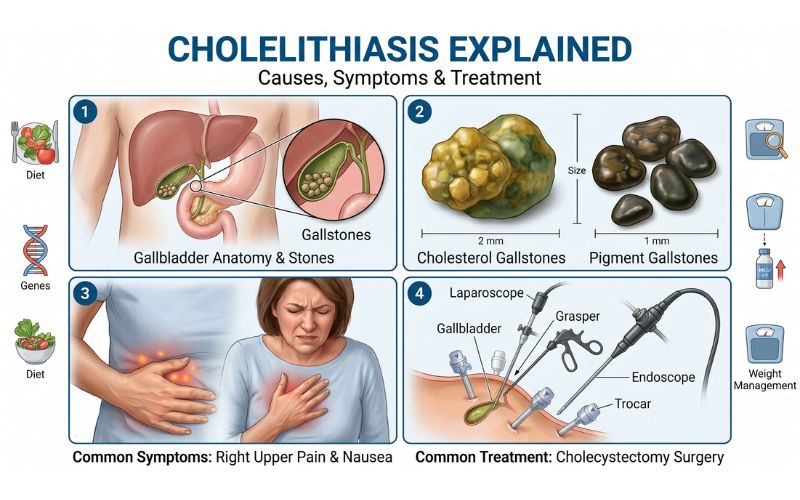
Cholelithiasis may sound like a complex medical term, but it simply refers to a common condition—gallstones.
These are small, hardened deposits that form in the gallbladder and can sometimes cause pain or digestive issues. Many people have gallstones without even knowing it, while others experience sudden and severe discomfort.
Understanding this condition can help you recognize symptoms early and seek the right treatment.
What Is Cholelithiasis?
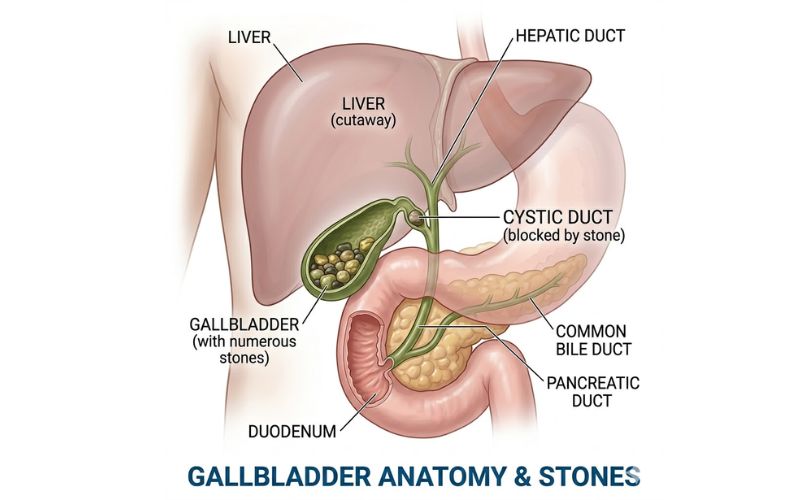
Cholelithiasis is the medical term for the formation of gallstones in the gallbladder.
The gallbladder is a small organ located under the liver. It stores bile, a digestive fluid that helps break down fats.
Gallstones form when substances in bile—like cholesterol or bilirubin—harden into solid particles.
Key Highlights
- Cholelithiasis means gallstones
- Can be painless or cause severe pain
- Often linked to diet and lifestyle
- More common in adults, especially women
- Treatable with medication or surgery
Types of Gallstones
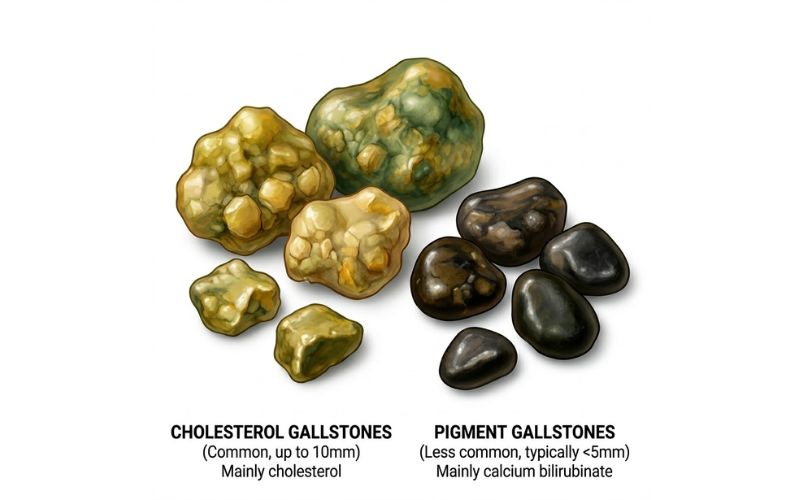
1. Cholesterol Stones
These are the most common type and are usually yellow-green.
They form when there is too much cholesterol in bile.
2. Pigment Stones
These are smaller and darker.
They form due to excess bilirubin, often linked to liver or blood conditions.
Causes of Cholelithiasis
Several factors can lead to gallstone formation:
- High cholesterol levels
- Obesity
- Rapid weight loss
- Poor diet (high fat, low fiber)
- Genetics
- Hormonal changes
Lifestyle and diet play a major role in increasing risk.
Symptoms to Watch
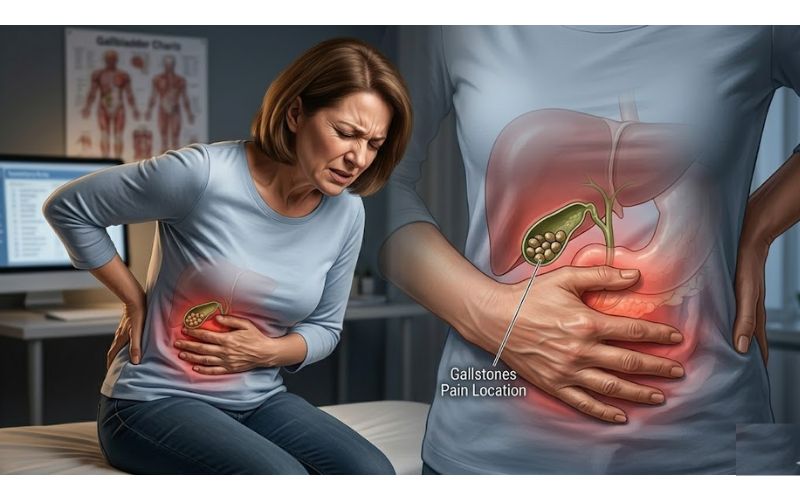
Many people with Cholelithiasis have no symptoms. However, when symptoms occur, they may include:
- Sudden pain in the upper right abdomen
- Back pain between the shoulder blades
- Nausea or vomiting
- Indigestion or bloating
This pain is often called a “gallbladder attack.”
When It Becomes Serious
Cholelithiasis can lead to complications if untreated:
- Inflammation of the gallbladder
- Blocked bile ducts
- Infection
- Pancreatitis
Seek medical help if pain is severe or persistent.
Diagnosis Methods
Doctors use different methods to diagnose gallstones:
- Ultrasound (most common)
- CT scan
- Blood tests
- MRI in some cases
Early diagnosis helps prevent complications.
Treatment Options
1. Watchful Waiting
If there are no symptoms, treatment may not be needed.
2. Medications
Certain medicines can dissolve gallstones, but this takes time and is less common.
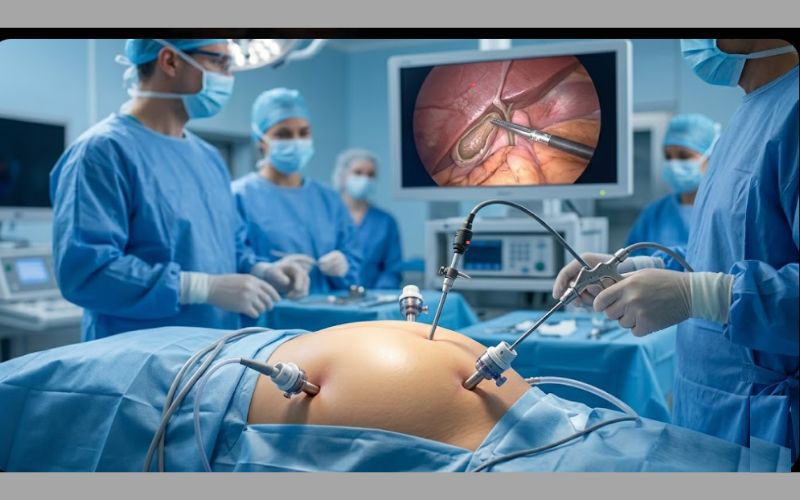
3. Surgery (Cholecystectomy)
The most effective treatment is removal of the gallbladder.
This is a common and safe procedure.
Comparison Table: Treatment Options
| Treatment | Best For | Effectiveness |
| No Treatment | No symptoms | Safe monitoring |
| Medication | Small stones | Moderate |
| Surgery | Severe cases | Highly effective |
Pros and Cons of Treatment
Pros
- Relief from pain
- Prevents complications
- Surgery is highly successful
Cons
- Surgery risks (though low)
- Recovery time
- Medication takes longer to work
Prevention Tips
To reduce risk of Cholelithiasis:
- Maintain a healthy weight
- Eat a balanced diet
- Avoid rapid weight loss
- Exercise regularly
Small lifestyle changes can make a big difference.
Final Verdict
Cholelithiasis is a common but manageable condition.
While many people may never experience symptoms, others may require medical attention. The good news is that effective treatments are available, and with proper care, complications can be avoided.
Understanding the condition is the first step toward better health.
FAQs (Voice Search Friendly)
1. What is cholelithiasis in simple terms?
It is the formation of gallstones in the gallbladder.
2. What causes gallstones?
High cholesterol, obesity, poor diet, and genetics are common causes.
3. Is cholelithiasis dangerous?
It can be if complications develop, but it is usually treatable.
4. Can gallstones go away without surgery?
Sometimes small stones can be managed without surgery, but surgery is the most effective treatment.
5. How can I prevent gallstones?
Maintain a healthy diet, exercise regularly, and avoid rapid weight loss.