
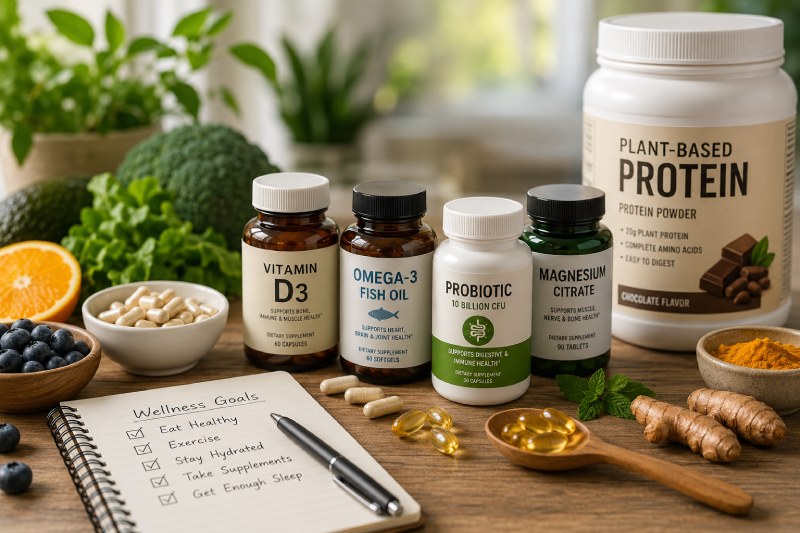
The supplement industry continues to grow as more people look for ways to support their health, boost energy levels, and improve overall wellness. From vitamins and minerals to probiotics and herbal products, there are countless options available. However, choosing the right supplement can be confusing, especially with so much information and marketing claims online.
TheWeeklyHealthiness focuses on helping people make informed wellness decisions through reliable and practical health information. Understanding how supplements work, when they may be useful, and how to choose quality products can help you get the most value from your wellness routine.
Understanding the Purpose of Supplements
Supplements are designed to support a healthy lifestyle, not replace one. A balanced diet that includes fruits, vegetables, whole grains, lean proteins, and healthy fats remains the foundation of good health.
The primary purpose of supplements is to fill nutritional gaps that may occur due to dietary choices, lifestyle factors, or specific health conditions. For example, individuals following a vegetarian or vegan diet may need additional Vitamin B12, while people with limited sun exposure may benefit from Vitamin D supplementation.
When used correctly, supplements can complement a healthy routine and provide additional nutritional support where needed.
Common Types of Supplements
Understanding the major categories of supplements can make it easier to choose products that align with your health goals.
Vitamins and Minerals
Vitamins and minerals support essential body functions such as energy production, immunity, bone health, and nervous system function.
Popular examples include:
- Vitamin D
- Vitamin C
- Vitamin B12
- Magnesium
- Iron
- Zinc
These nutrients help support overall wellness and address common deficiencies.
Omega-3 Fatty Acids
Omega-3 supplements, often sourced from fish oil or algae, are widely used to support heart health, brain function, and healthy inflammation levels.
Many people do not consume enough omega-3-rich foods, making supplementation a common choice.
Probiotics
Probiotics contain beneficial bacteria that help support digestive health and maintain a balanced gut microbiome.
A healthy gut may contribute to:
- Better digestion
- Improved immunity
- Enhanced nutrient absorption
- Overall wellness
Herbal and Botanical Supplements
Herbal supplements are derived from plants and have been used in traditional wellness practices for centuries.
Popular options include:
- Turmeric
- Ashwagandha
- Ginger
- Echinacea
These supplements are often chosen to support specific wellness goals.
Protein and Amino Acid Supplements
Protein powders and amino acid supplements are commonly used by active individuals and athletes.
They may help support:
- Muscle recovery
- Exercise performance
- Protein intake goals
Plant-based and dairy-based options are widely available.
How to Choose the Right Supplements
Not every supplement is necessary for every person. The best approach is to evaluate your individual needs before making a purchase.
Consider the following factors:
Review Your Diet
Look at your eating habits and identify potential nutritional gaps.
Questions to ask include:
- Do you eat enough fruits and vegetables?
- Do you regularly consume fish?
- Are you following a restrictive diet?
Your answers may help determine which nutrients deserve closer attention.
Consider Your Health Goals
Different supplements serve different purposes.
For example:
- Vitamin D may support bone health.
- Omega-3 supplements may support heart and brain health.
- Protein supplements may help support fitness goals.
- Probiotics may support digestive wellness.
Understanding your goals helps narrow your options.
Seek Professional Guidance
A healthcare provider or registered dietitian can offer personalized recommendations based on your health history, dietary habits, and potential nutrient deficiencies.
Professional guidance is especially important if you take medications or have underlying health conditions.
How to Identify High-Quality Supplements
Supplement quality can vary significantly between brands. Learning how to read labels is essential.
Look for Third-Party Testing
Independent certifications can provide additional confidence in product quality.
Common certifications include:
- USP
- NSF International
- ConsumerLab
These organizations evaluate products for purity, quality, and label accuracy.
Read the Supplement Facts Panel
Pay attention to:
- Active ingredients
- Serving size
- Dosage amounts
Avoid products that hide ingredient amounts behind proprietary blends.
Review Additional Ingredients
High-quality supplements generally contain fewer unnecessary fillers, artificial colors, and additives.
Always review the ingredient list carefully before purchasing.
Using Supplements Safely and Effectively
Taking supplements correctly can improve their effectiveness.
Some nutrients are better absorbed when paired with food, while others may work best at different times of the day.
Helpful guidelines include:
- Take fat-soluble vitamins with meals containing healthy fats.
- Follow dosage instructions carefully.
- Stay consistent with daily use.
- Avoid taking more than recommended amounts.
Consistency often delivers better results than occasional use.
Common Supplement Myths
Myth 1: More Is Always Better
Taking excessive amounts of vitamins or minerals does not necessarily provide additional benefits and may sometimes cause unwanted effects.
Always follow recommended dosage guidelines.
Myth 2: Supplements Replace Healthy Eating
No supplement can fully replace a balanced diet.
Whole foods provide nutrients, fiber, and beneficial compounds that supplements cannot completely replicate.
Myth 3: Natural Means Completely Safe
Natural ingredients can still interact with medications or affect certain health conditions.
Always research products carefully and consult a healthcare professional when necessary.
Building a Simple Supplement Routine
Creating a consistent routine can make supplement use easier and more effective.
Some practical strategies include:
- Taking supplements with breakfast.
- Using a weekly pill organizer.
- Setting daily reminders on your phone.
- Keeping supplements in a visible location.
Simple systems often improve long-term consistency.
Listen to Your Body
Health needs can change over time.
Factors such as age, activity level, stress, diet, and lifestyle changes may influence which supplements are most appropriate.
Pay attention to how you feel after introducing a new supplement.
Consider tracking:
- Energy levels
- Sleep quality
- Digestive health
- Exercise recovery
- Overall well-being
Monitoring these factors can help you evaluate whether a supplement is supporting your goals.
Final Thoughts
Supplements can be a valuable addition to a healthy lifestyle when used thoughtfully and responsibly. The key is understanding your individual needs, selecting quality products, and maintaining realistic expectations.
TheWeeklyHealthiness promotes a balanced approach to wellness by encouraging informed decision-making rather than relying on marketing trends. By focusing on nutrition, healthy habits, and evidence-based supplement choices, you can create a wellness routine that supports your long-term health goals.
Remember that supplements work best when combined with a nutritious diet, regular physical activity, quality sleep, and healthy lifestyle habits. True wellness comes from consistency, not quick fixes.